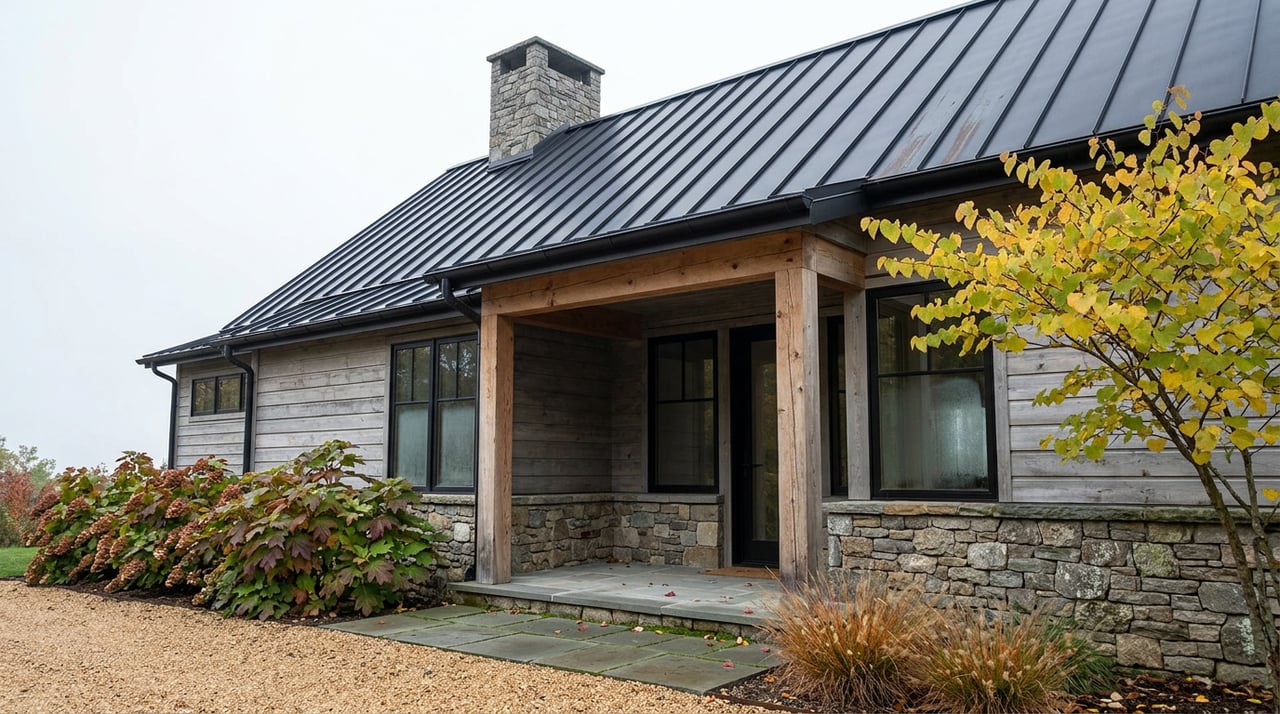
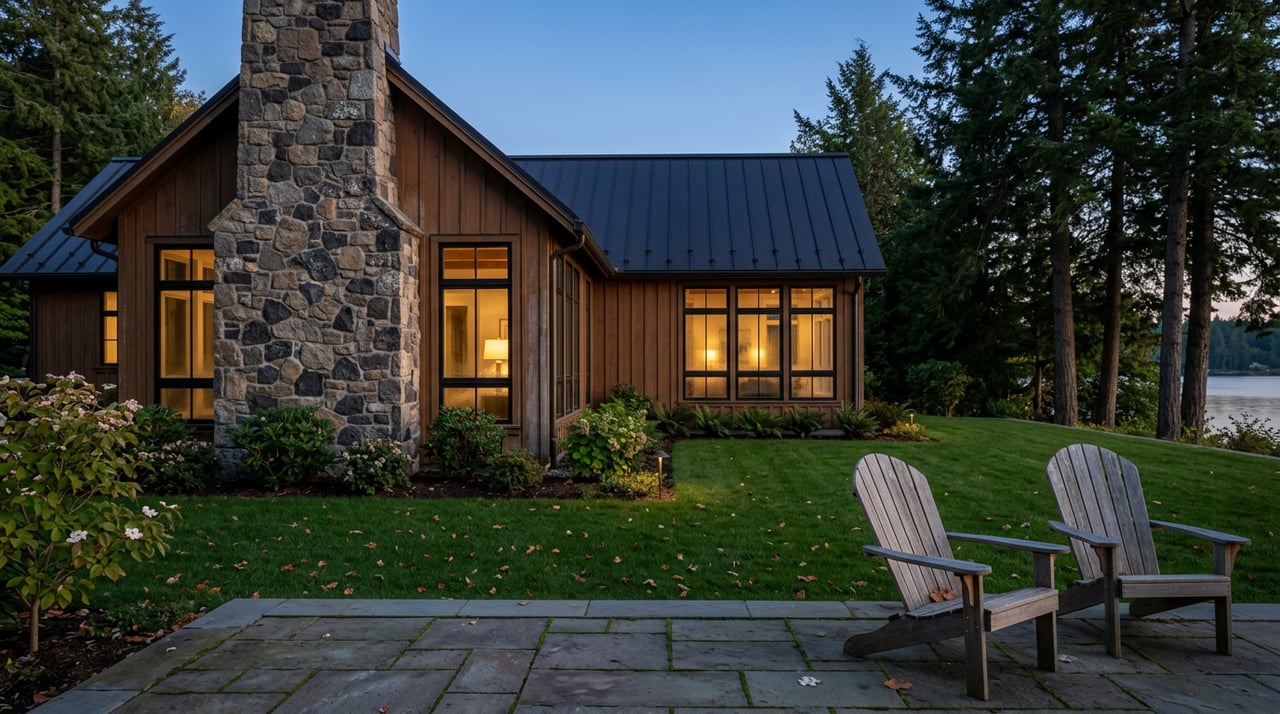
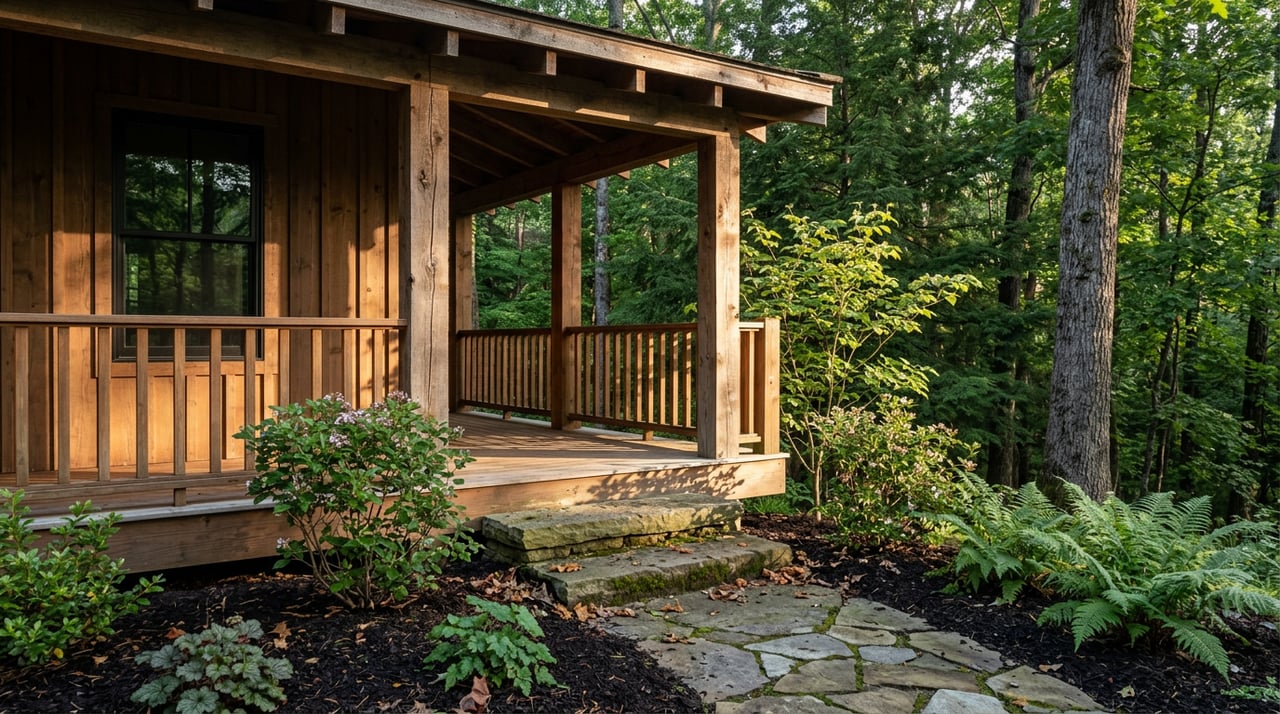
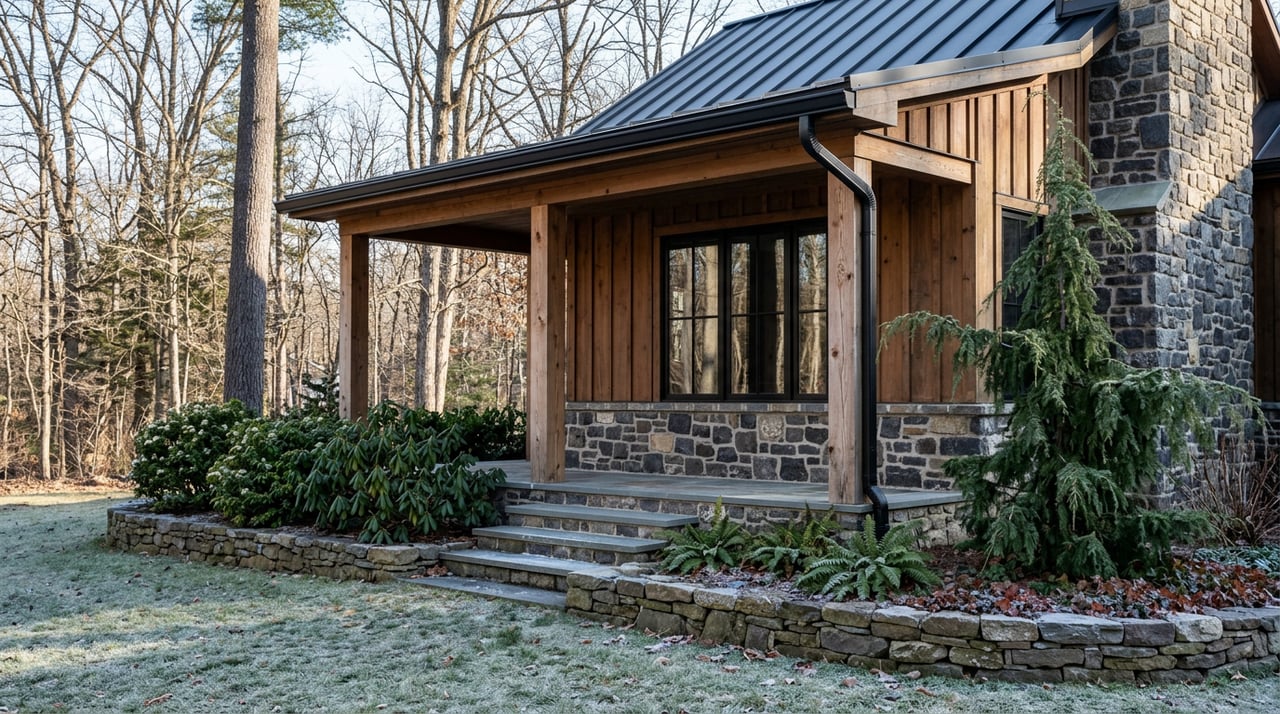
Shopping for a Blue Ridge cabin from your sofa can feel risky, but it does not have to be. With the right plan and a strong local partner, you can verify utilities, understand access, line up inspections, and close with confidence from anywhere. In this guide, you will get a clear, step-by-step path tailored to Blue Ridge and Fannin County, plus the local links and milestones that keep your purchase on track. Let’s dive in.
Blue Ridge basics for remote buyers
Terrain, access, and seasons
Blue Ridge sits in the North Georgia mountains, where elevation, winding roads, and seasonal weather shape daily life. Many cabins sit near large tracts of national forest, which is great for recreation and also influences development patterns. To understand the setting around a property, explore the nearby public lands through the Blue Ridge Ranger District resources from the U.S. Forest Service.
Steep private driveways and gravel roads are common. Ask for exact access details, distance to the nearest paved road, and winter notes. A short live drive video from the paved route to the cabin can save you a trip.
Verify utilities by street address
Availability changes quickly in mountain terrain. Always confirm service by the exact property address.
- Electric. Local electric membership cooperatives serve much of Fannin County. Check Blue Ridge Mountain EMC’s fiber and service info and confirm coverage with Tri-State EMC if the property sits in their area. Ask whether the home is on a distribution line or may need a line extension.
- Water and sewer. Parts of the county connect to public systems, but many cabins use private wells and septic. Confirm availability and capacity with the Fannin County Water Authority. If the home has a well or septic, plan to test and inspect both.
- Broadband and cellular. Fixed fiber and other options are expanding, but coverage is address specific. Start with local providers and plan a backup option if you rely on video calls. For county contacts and record lookups, use the Fannin County official website.
If you plan to rent your cabin
Short-term rentals are regulated in Fannin County and the City of Blue Ridge. If you plan to rent, review the county’s application steps, tax requirements, and safety standards early. The Fannin County Short-Term Rental Properties Ordinance outlines registration, remittance, and compliance details. Confirm whether neighborhood covenants allow rentals before you commit.
A remote-friendly buying plan
Phase A: Narrow the list virtually
Ask for media that helps you evaluate each cabin without flying in:
- A narrated high-resolution video walkthrough and, if available, a 3D or 360 tour.
- Drone footage showing driveway approach, road grade, and neighboring lots.
- Floor plans, a property-facts packet with parcel ID, tax history, HOA covenants, and any recent well or septic records.
- Exact access notes. Request photos of driveway grade and clearance, distance to a paved road, and a short live drive video from the nearest paved route.
Phase B: Write the offer and set milestones
Georgia contracts include specific timing for earnest money, due diligence, inspections, financing, and closing. These deadlines vary based on the forms used, so confirm all dates in your signed agreement. As general guidance, earnest money is commonly due within 3 to 5 banking days of a binding agreement, and many remote buyers request 7 to 21 days for due diligence depending on competition and the need to schedule septic or well inspections. You can review practical timing notes in this overview of contract tips and cure windows from Maximum One Realty’s guidance.
For financing, lenders often need 21 to 45 days to underwrite and complete an appraisal. Cash purchases can close faster if title and payoff documents are ready.
Phase C: Inspections and address-level checks
Order these items as soon as your due diligence begins. Some vendors book 7 to 14 days out.
- Full home inspection by a licensed inspector to evaluate roof, structure, HVAC, electrical, and plumbing.
- Well water test for potability and yield if on a private well. The Water Authority is a good starting point for records.
- Septic file pull and septic performance evaluation. The county environmental health office maintains septic permit files, and licensed inspectors can evaluate function. Learn how septic permitting works through the North Georgia Health District’s On-Site Sewage Management page.
- Sewer-scope camera inspection of the main line if the home connects to septic or has older plumbing.
- Wood-destroying organism inspection. Many lenders or appraisers require a termite letter based on program rules or observed conditions. See common lender requirements summarized by the VA Loan Network.
- Boundary survey and driveway easement confirmation. Verify who maintains the road and whether access is public or private.
- Flood and hazard review. Streams and rivers can create local setbacks. Ask your broker to perform a flood map check and discuss insurance considerations.
Because mountain soils and slopes can require alternative septic systems, allow extra time for permits or repairs if an inspection reveals issues.
Phase D: Financing, appraisal, title, and closing
Decide your loan type early, whether primary residence, second home, or investment. Loan programs affect inspection and repair requirements, and appraisals on unique cabins sometimes need extra time for comparable sales. Stay flexible for negotiation around appraisal results.
For title and recording, a Georgia closing attorney or title company will run a title search and prepare documents for county recording. Remote closings are common. Mail-away packages, mobile notaries, or attorney-supervised signings are often available, but rules for remote online notarization continue to evolve. Georgia has seen legislative activity on notarization, such as HB 289, so confirm the accepted signing method with your lender and closing attorney early.
What your local broker handles for you
A strong on-the-ground broker makes a remote purchase feel local. Here is what you should expect:
- Vendor coordination. Your broker schedules inspectors for the home, septic, well, WDO, and survey. They attend in person and host a live video so you can walk through findings in real time.
- Records and permits. Your broker requests septic files, reviews property tax and deed records, and confirms access and maintenance responsibilities so you are not waiting on offices to reply.
- Utility and broadband checks. They contact the electric co-op, water authority, and internet providers to verify activation windows and any line-extension costs at the address.
- Closing logistics. They coordinate with the lender and title team to set a signing method that fits your travel schedule and confirm ID requirements for a smooth mail-away or local notary signing.
You should also receive extras that reduce stress, like live FaceTime or Zoom walkthroughs, a vetted local-vendor list, and a concise pre-closing checklist for utility turn-on, insurance quotes, lock changes, and the final walkthrough.
Sample 30 to 45 day timeline
Use this as a planning guide and confirm exact dates with your lender and closing attorney.
- Days 0 to 2: Offer accepted. Open escrow, schedule inspections, request septic file, and order survey.
- Days 3 to 5: Send earnest money per contract. Receive early disclosures and utility info from the listing side.
- Days 5 to 14: Complete home, septic, well, WDO, and sewer-scope inspections. Attend via video. Begin insurance quotes.
- Days 10 to 18: Review reports and negotiate repairs or credits. Confirm broadband and utility activation dates.
- Days 15 to 30: Appraisal and underwriting. Title search completes. Decide on mail-away, mobile notary, or local signing.
- Days 25 to 35: Clear loan conditions. Line up property services and any required permits or contractor bids.
- Days 30 to 45: Final walkthrough by live video. Sign and fund. Receive keys or access instructions.
Quick checklists you can save
Address-level verifications
- Electric provider and whether a line extension is needed.
- Public water availability or well logistics. Septic type and age.
- Broadband options and cellular backup.
Ask the listing agent for
- Narrated video, 3D or 360 tour, drone footage, floor plan.
- Utility disclosures, recent well or septic records if available.
- Driveway grade photos, distance to pavement, and a short drive video.
Order early in due diligence
- Home inspection, well test, septic file pull and septic evaluation.
- WDO letter if required, sewer scope, and survey.
Coordinate with your team
- Lender on appraisal timing and program requirements.
- Title attorney on closing method and notarization.
- Broker on repairs, permits, and vendor scheduling.
Ready to shop from anywhere?
If you want a calm, organized path to a Blue Ridge cabin, you can have it with the right plan and a local advocate. I streamline each step, from live video tours and vendor coordination to clear timelines and a worry-free closing. When you are ready, let’s talk about your goals and build your remote buying plan with me on the ground in Fannin County. Let’s connect with Char Stacy.
FAQs
Can out-of-state buyers close on a Blue Ridge cabin?
- Yes, many buyers close remotely using mail-away packages, mobile notaries, or attorney-supervised signings. Acceptance of remote online notarization depends on your lender, title company, and Georgia policy at closing, so confirm early. Recent activity like HB 289 is worth reviewing with your closing team.
Who handles septic and well testing in Fannin County?
- The county environmental health office keeps septic permit files, and licensed inspectors perform field evaluations. Review the North Georgia Health District’s On-Site Sewage Management guidance and request the property’s septic file as soon as your offer is accepted.
What should I know about private mountain roads before I buy?
- Verify the legal easement and maintenance agreement in recorded documents, and confirm whether access is via a county road or a private road with owner obligations. The Fannin County official site is your starting point for deed and public-works references.
Will my lender finance a cabin or second home in Blue Ridge?
- Many lenders do, but terms depend on whether it is a primary, second home, or investment property. Some loan programs also require a WDO inspection or repairs based on the appraisal. You can review common WDO requirements summarized by the VA Loan Network.