How to Sell a Cabin in Blue Ridge’s Mountain and Lake Market
April 9, 2026
April 9, 2026
Selling a cabin in Blue Ridge is different from selling a house in a typical suburban market. You are often marketing a lifestyle as much as a property, and buyers may be comparing your cabin to mountain-view retreats, creekside homes, riverfront lodges, and lake properties across the area. If you want to protect your equity and avoid unnecessary time on market, you need a strategy built for the Blue Ridge mountain and lake market. Let’s dive in.
Blue Ridge draws buyers for its mountain and lake lifestyle. Official area tourism materials highlight 106,000 acres of Chattahoochee National Forest, 300 miles of hiking trails, and 100 miles of trout streams, which helps explain why the market attracts weekend buyers, second-home shoppers, and lifestyle-driven purchasers from outside the area. The area is also about 90 miles north of Atlanta, which broadens your buyer pool.
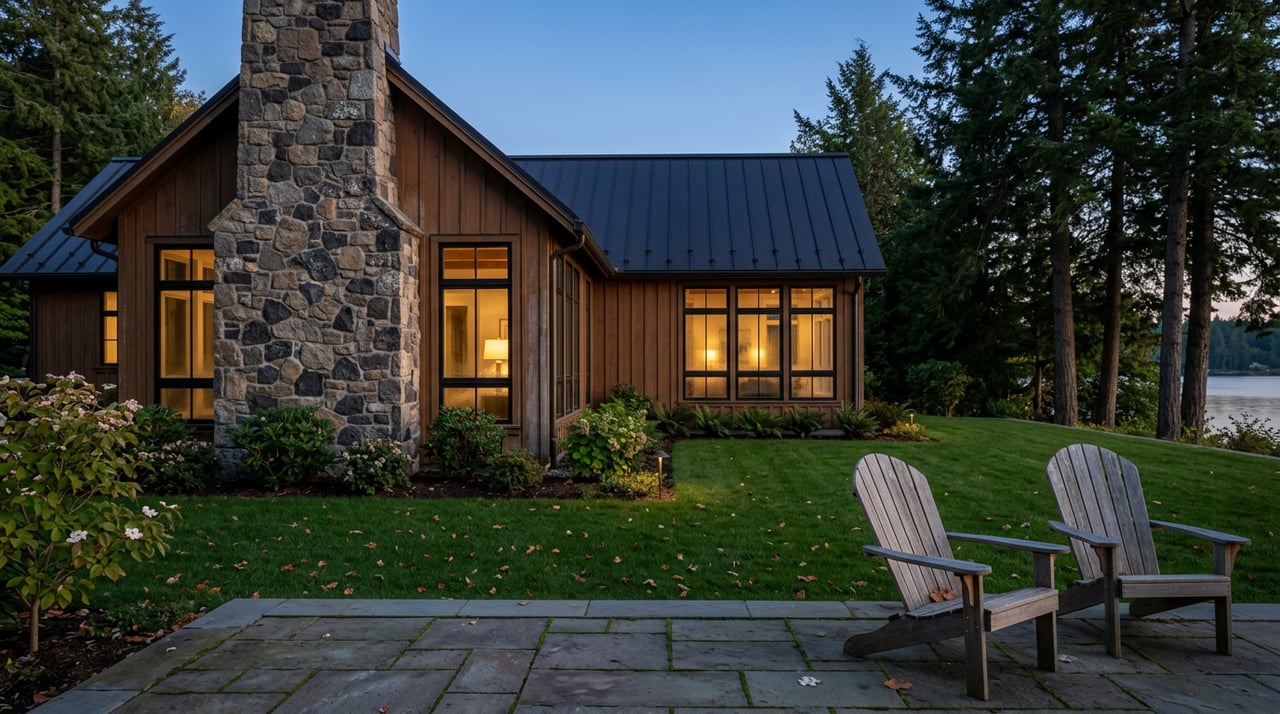
That wider appeal is a plus, but it also means your cabin is competing against many types of properties that promise a similar experience. A buyer may be weighing your home against a mountain-view cabin, a creekfront retreat, or a lake-access property. In this kind of market, the details of condition, presentation, and pricing matter more than broad averages.
Recent public market data point to a market where pricing discipline matters. Zillow’s Blue Ridge market data shows 294 homes in inventory, a median sale price of $495,167, a median list price of $692,633, a sale-to-list ratio of 0.961, and 107 median days to pending as of Feb. 28, 2026. Realtor.com also classifies Fannin County as a buyer’s market, with Blue Ridge at a $699,000 median listing price and 94 median days on market.
One of the biggest mistakes cabin sellers make is pricing from aspiration instead of evidence. In Blue Ridge, broad county numbers only tell part of the story because buyers compare cabins by setting, usability, road access, views, finishes, and condition.
A cabin with long-range views, updated systems, easy access, and strong outdoor living may justify a different price than one with similar square footage but more maintenance needs. The same is true for lake-area properties, homes with private wells and septic systems, and cabins that feel remote but still need to show well online. You want pricing based on recent, cabin-like comparables, not just the highest asking price you can find.
That matters even more in a market where homes are often selling below asking. Zillow’s local figures and Realtor.com’s county-level data both suggest a gap between list prices and actual contract outcomes. When the market gives buyers options, overpricing can lead to longer exposure and more pressure to adjust later.
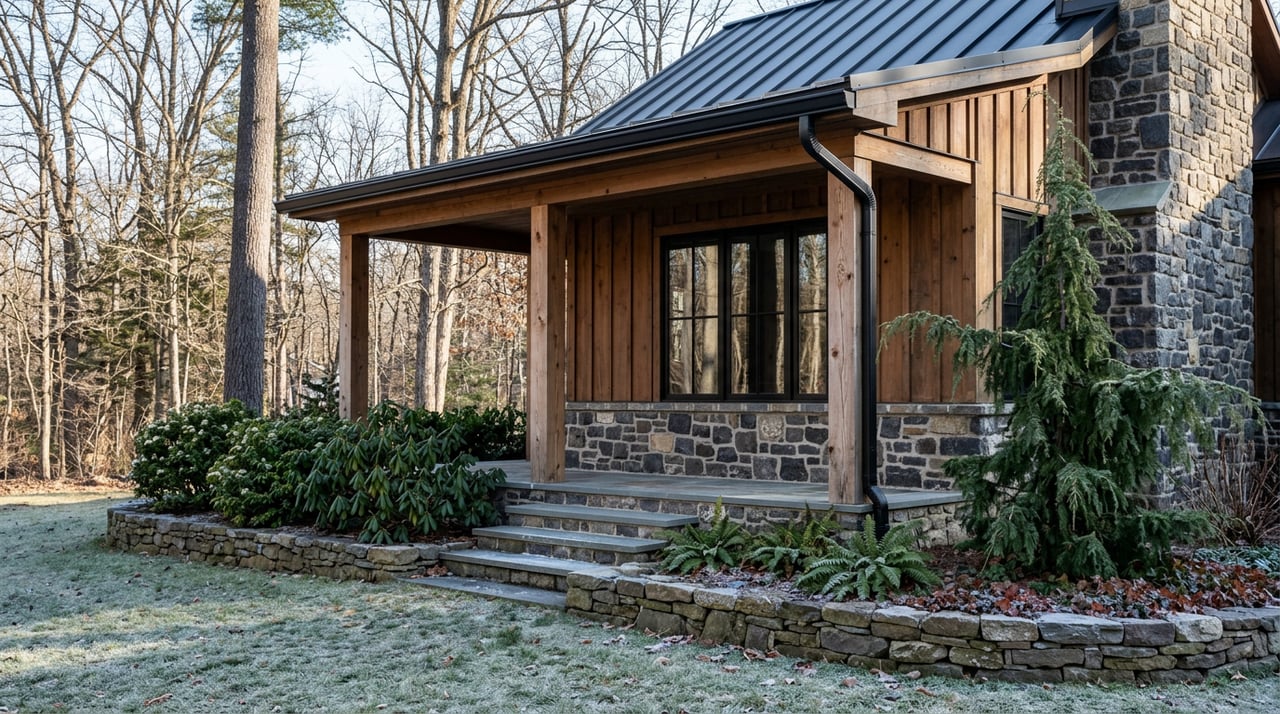
Cabins in wooded and mountain settings need a different level of pre-list attention. Buyers notice maintenance quickly, especially when they are already thinking about access, weather exposure, drainage, and long-term upkeep.
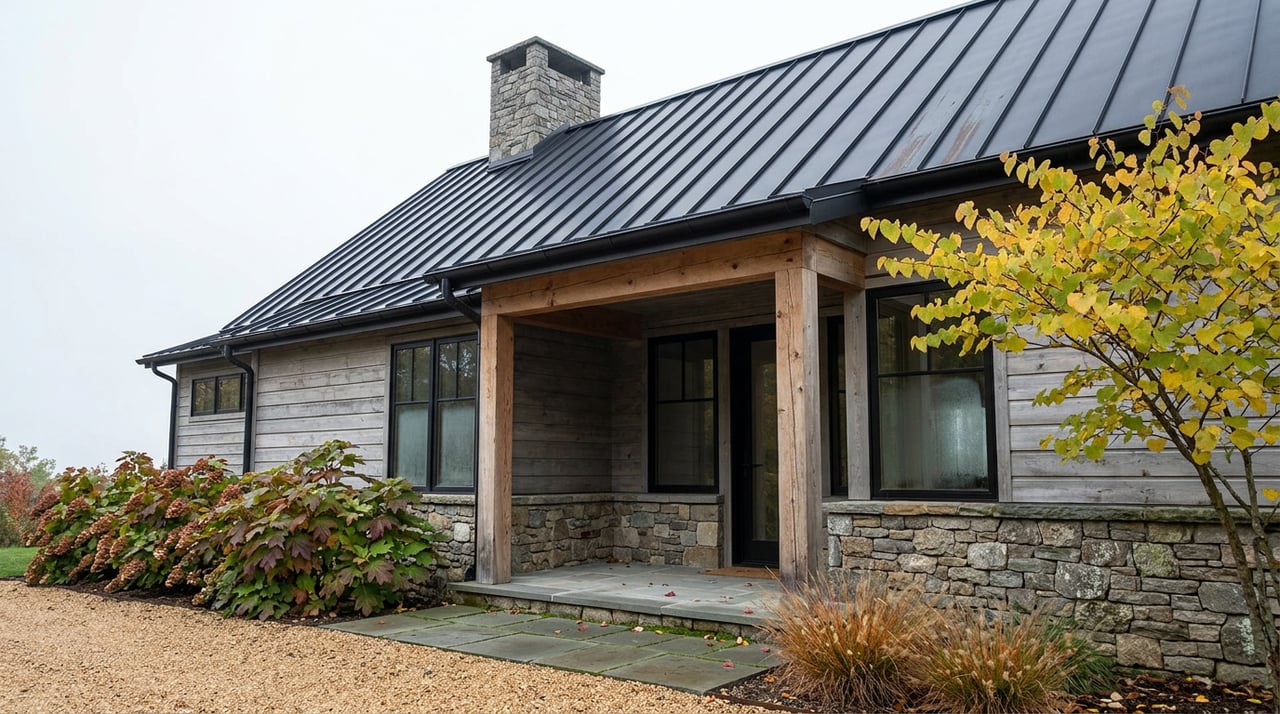
A strong pre-list plan should focus on visible care first. That includes exterior cleaning, deck touch-ups, stain or paint where needed, and trimming back overgrowth that makes the home feel harder to maintain. In Blue Ridge, simple presentation work often does more than expensive last-minute upgrades.
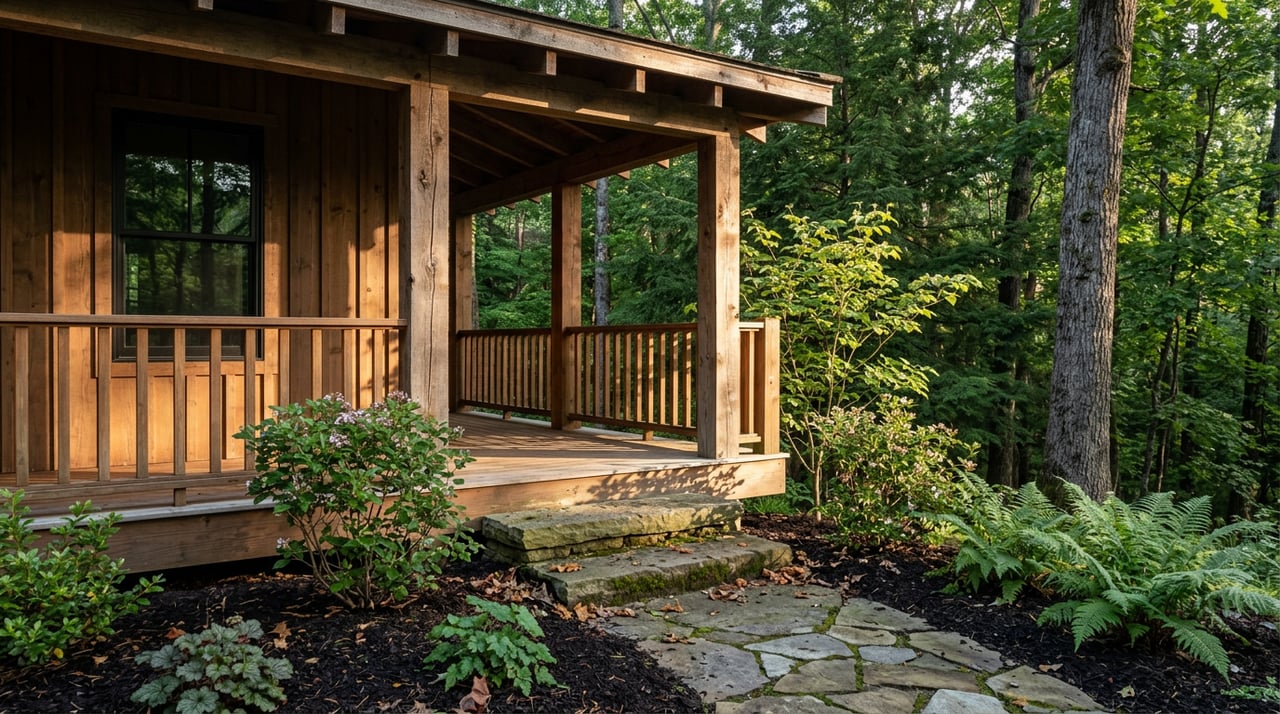
Defensible space is also worth addressing before the first showing. The U.S. Forest Service recommends defensible space measures such as brush clearing and limb trimming to help slow wildfire spread and protect the home. For a mountain cabin, that work can improve both safety and curb appeal.
For many Blue Ridge cabins, the due diligence conversation starts with the systems. If your property has a private well, septic system, or both, buyers will want clear documentation.
The EPA’s homebuyer septic guide says buyers should inspect septic systems before purchase. It also notes that inspections typically review pumping and maintenance records, tank age, sludge and scum levels, pipes, drainfield condition, and compliance records. EPA guidance also says a typical septic system should be inspected every three to five years and pumped as needed.
For private wells, Georgia public health recommends annual bacterial testing and chemical screening every three years, and Georgia EPD regulates well siting, construction, operation, maintenance, and abandonment. In practical terms, that means you should gather available service records, inspection reports, test results, and contractor invoices before your listing goes live.
When that paperwork is ready early, negotiations are more likely to stay grounded in facts instead of surprise. It also helps remote and second-home buyers feel more confident about making the trip or writing an offer.
Good transaction management starts with honesty. If you know about water intrusion, drainage problems, roof leaks, septic issues, structural repairs, or unpermitted work, those items should be organized and addressed as early as possible.
Under Georgia’s broker-duty statute, a broker must keep seller information confidential, but the law does not limit a seller’s obligation to disclose adverse material facts actually known about the property. For you as a seller, that means known issues cannot simply be ignored.
Clear disclosure does not mean you cannot sell for a strong price. It means you reduce the chance of a deal falling apart during due diligence. In many cases, documented repairs and transparent communication help create trust with buyers.
Blue Ridge cabins attract out-of-area buyers, so your listing needs to do more than sit in the MLS with a few photos. Many buyers start online, and their first decision is whether the property feels worth a closer look.
According to NAR’s 2025 buyer trends report, among buyers who used the internet, photos were very useful to 83%, floor plans to 57%, virtual tours to 41%, and videos to 29%. The same report says 51% found the home they purchased on the internet. That should shape how your cabin is presented from day one.
For most mountain and lake listings, a strong package should include:
Distribution matters too. NAR reports that among sellers who used an agent in 2025, the most common marketing channels included the MLS website, yard signs, open houses, Realtor.com, third-party aggregators, and agent websites. For a Blue Ridge cabin, that wide distribution helps reach buyers who may be searching from Atlanta or other out-of-area markets.
Cabins can be charming in person but still feel dark, crowded, or overly personal online. That is why staging, editing, and furniture placement can have an outsized impact.
The NAR 2025 staging report says 83% of buyers’ agents felt staging made it easier for buyers to visualize the property as a future home. It also found that the most important rooms to stage were the living room, primary bedroom, and kitchen or dining areas.
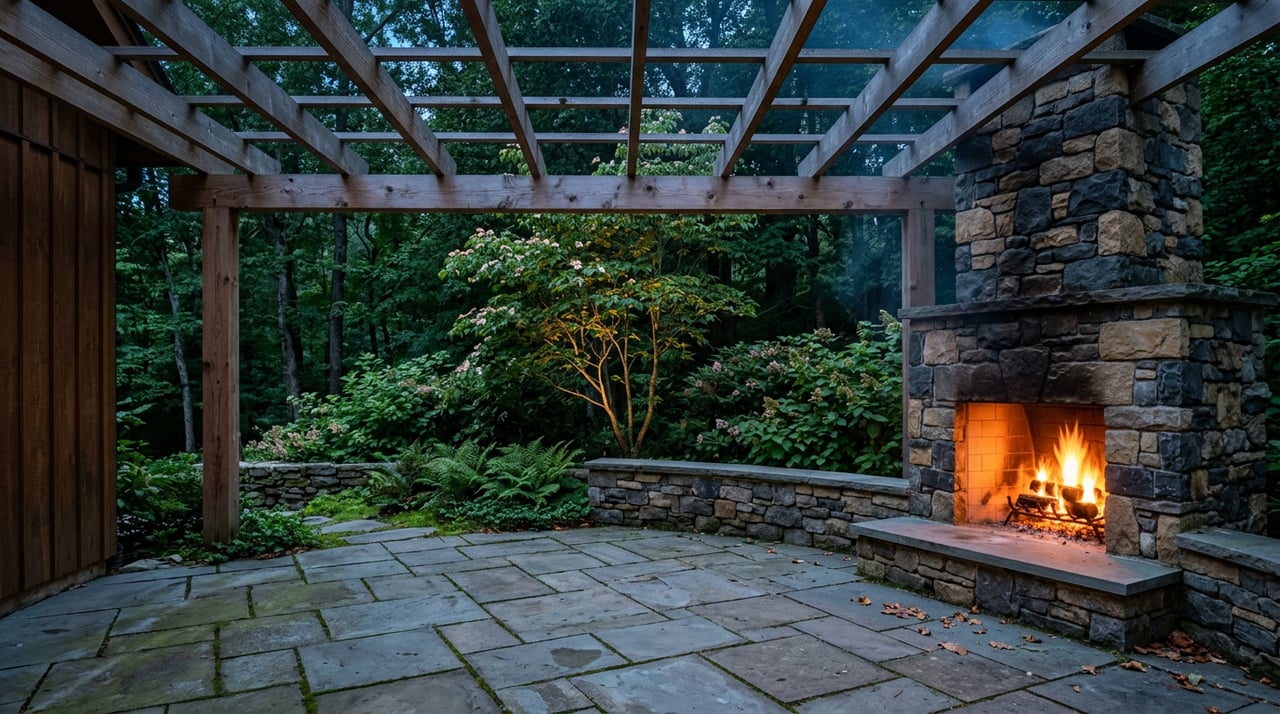
For a Blue Ridge cabin, focus on spaces that sell the experience. A bright living room with a fireplace, a clean and inviting primary suite, and a kitchen that feels ready for weekends with friends often shape how buyers value the property. Strong staging does not need to feel formal. It just needs to feel intentional.
In a destination market, showing strategy matters. Some buyers will decide to visit only after they connect with the online presentation, and they may be traveling in from outside the area with limited availability.
That means fast response times, flexible scheduling, and a smooth showing process are not just customer service. They are part of the sales strategy. If buyers are comparing several cabins in one trip, you want your property to be easy to see and easy to understand.
Feedback collection matters too. If multiple buyers mention access, lighting, maintenance concerns, or pricing resistance, that information should shape your next move. In a buyer-leaning market, ignoring showing feedback can cost time and leverage.
A good offer is not always the highest number on page one. Cabin sales often involve inspection concerns, repair requests, financing details, and timeline issues that can affect your bottom line.
NAR’s 2025 generational report says 90% of sellers sold with an agent or broker, and its quick-stat summary says recent sellers typically sold for 100% of listing price, but 21% reduced the asking price at least once. In Blue Ridge, where public data already show buyer-friendly conditions and sale-below-list patterns, negotiation strategy can materially affect your final result.
That includes looking closely at:
This is where detailed transaction management protects your equity. A well-handled negotiation keeps the focus on facts, documentation, and realistic solutions instead of emotion.
Selling a cabin here is not just about putting a sign in the yard. You need a plan that understands how mountain and lake buyers search, how rural property systems affect due diligence, and how pricing mistakes can extend time on market.
That is especially true when your likely buyer may be remote, buying a second home, or trying to compare several properties in a short window. A detail-oriented, responsive approach can make the process smoother from listing prep through closing.
If you are thinking about selling a cabin in Blue Ridge or anywhere in the North Georgia mountains, working with a local advisor who understands pricing, presentation, negotiations, and the moving parts of mountain property transactions can make a real difference. If you want a clear plan built around your property and timeline, connect with Char Stacy.
Stay up to date on the latest real estate trends.
From overseeing operational responsibilities to training new agents, she always has her team's best interests at heart. Work with Char Today!