On Lake Blue Ridge, the Price Is Stable. The Shoreline Isn't.
September 17, 2026
September 17, 2026
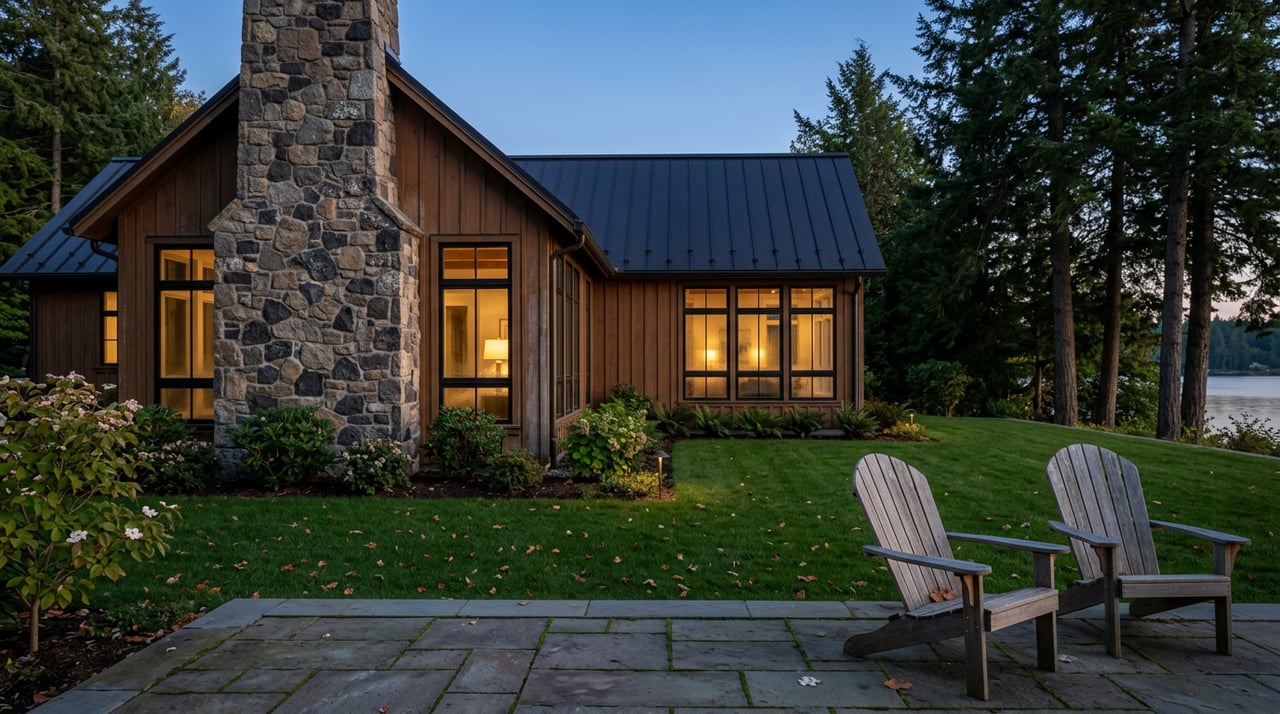
You tour a lakefront cabin on a Saturday morning in July. The water is high enough to lap at the bottom step of the dock, a pontoon is tied off and bobbing, and the whole scene looks exactly like the listing photos. You come back in November to close, and the dock you fell in love with is sitting several feet above the waterline, the boat lift is high and dry, and a stretch of exposed lakebed runs where the water used to be. Nothing about the property changed. The lake did.
That's the part of buying on Lake Blue Ridge that rarely makes it into a listing description, and it matters more this year than most. The lake's median price is a fairly steady, fairly boring number. What that price actually gets you, in terms of usable water at your dock, changes by the month, and in 2026 the swing has been sharper than normal.
Lake Blue Ridge isn't a natural body of water that happens to have a dam at one end. It's a reservoir built and operated by the Tennessee Valley Authority, and TVA runs it on a purpose-built cycle. The lake is held near its full summer pool of about 1,686 feet above sea level through the warm months, then drawn down through fall and winter to open up flood storage capacity ahead of winter and spring rains. In a normal year, that swing is somewhere around 20 to 22 feet from top to bottom, which on a lake this size is enough to leave docks stranded, boat ramps unusable, and rocky or muddy shoreline exposed that was six feet underwater a few months earlier.
That's not a flaw in the lake. It's the design. Blue Ridge is one of ten tributary reservoirs TVA uses across its system to manage flow further downstream, and it's a comparatively small one, which means its level can move in response to system-wide needs, not just local rainfall. If you only ever see a property once, you're seeing one frame of a cycle that repeats every year.
This year adds a second layer on top of the normal seasonal drawdown: drought. Public drought monitoring for the region has shown severe drought conditions in Fannin County through the summer, and gauge readings on the lake put it running several feet below its full-pool target by midsummer. That's a meaningfully lower lake than the postcard version most buyers picture when they hear "lakefront on Blue Ridge."
If you're touring properties this fall, don't take either extreme as the whole truth. A low reading during a dry stretch doesn't mean the dock is broken or the property is compromised, and a full, sparkling lake in June doesn't guarantee that same view in December. The way to actually protect yourself is to ask for what a single showing can't give you: photos of the dock and shoreline from more than one season, and more than one year if the seller has them. TVA publishes current and historical elevation data for the reservoir directly, and it's worth checking before you assume the water you see on tour day is the water you'll live with.
Here's the number that actually explains why lakefront demand holds up the way it does. Lake Blue Ridge has roughly 60 miles of shoreline, and the large majority of it sits inside the Chattahoochee National Forest rather than in private hands. Federal land can't be sold off, subdivided, or built on to add new private frontage. The lake isn't short on water. It's short on shoreline that can legally become a backyard.
That scarcity is why the market around this lake doesn't behave like a single product with one price tag. It splits into three real categories, and treating them as interchangeable is where buyers get surprised at the closing table:
| Category | What you're actually buying | What to verify before you offer |
|---|---|---|
| Lakefront | Private frontage on the shoreline, typically with your own dock | Dock permit status, whether the dock is fixed or floating, and how it performs at low pool |
| Lake access | Shared or community access to the water, no private frontage | Who holds the access easement, and any HOA dues tied to shared dock or ramp maintenance |
| Lakeview | Elevated or nearby views of the lake, no water contact | Whether tree growth or future construction could affect the view over time |
None of these is a lesser version of the others. They're different products at different price points, and a listing that says "lake" in the description can mean any of the three.
Here's where the price data gets interesting, because it doesn't say what most people assume. Over the three months ending May 2026, the median home sale price across Fannin County was about $641,000, up 17.5 percent from the same period a year earlier, with homes selling in a median of 70 days compared to 96 days the year before. That's a county-wide market that's both pricier and faster than it was.
Lakefront-specific listings on Lake Blue Ridge have been running with a median asking price in the neighborhood of $660,000. Put those two numbers side by side and the lakefront premium looks almost modest, not the dramatic markup a lot of buyers expect. That's the part worth sitting with. If the premium for direct lake frontage isn't especially large in dollar terms, the real differentiator isn't the price. It's the scarcity of the shoreline itself, and the seasonal reality of what that frontage gives you access to depending on when you're standing on it. You're not paying a huge amount extra for the label "lakefront." You're competing for a genuinely limited number of properties that can legally carry that label at all, on a lake where the usable water at your dock changes by the month.
A few habits protect you here more than any single inspection can:
None of this is about talking yourself out of a lakefront purchase. It's about knowing which of the three products you're actually buying, and making sure the price you're paying matches the water access you'll actually have across a full year, not just the one you toured.
Does a low lake right now mean something is wrong with the property? No. A lower reading in late summer or fall is part of the normal operating cycle for this reservoir, and 2026's drought conditions have pushed it lower than a typical year. It's worth confirming with historical data, not assuming either way.
Will the lake refill by spring? Refill timing depends on winter and spring rainfall and TVA's system-wide operations, and it varies year to year. Check current conditions before assuming a specific timeline.
Can I modify or add a dock while the level is low? Dock work is often easier to schedule during low-water periods, but any permitting still runs through the reservoir operator and Fannin County, and rules should be confirmed before you build or modify anything.
If you're weighing a lakefront property against a mountain-view home in the same price range, it's worth reading how those two lifestyles actually compare before you narrow your search. And if you want a second set of eyes on a specific dock, a specific permit, or a specific listing's water history before you write an offer, that's exactly the kind of groundwork Char Stacy walks buyers through on Lake Blue Ridge and across the North Georgia mountains. Let's Connect.
Stay up to date on the latest real estate trends.
From overseeing operational responsibilities to training new agents, she always has her team's best interests at heart. Work with Char Today!