Blue Ridge Lakefront vs Mountain Homes: How to Decide
April 23, 2026
April 23, 2026
What kind of Blue Ridge lifestyle do you actually want: mornings on the water or long-range mountain views from your deck? That choice sounds simple at first, but in this market, it shapes how you spend your weekends, what kind of access matters most, and how you evaluate each property. If you are trying to decide between lakefront and mountain-view homes in Blue Ridge, this guide will help you compare the real tradeoffs so you can focus your search with more confidence. Let’s dive in.
Blue Ridge is not one single housing experience. On one side, you have Lake Blue Ridge, a 3,290-acre TVA reservoir with about 65 miles of shoreline, and only about 25% of that shoreline is developed. On the other, you have a mountain setting shaped by the 106,000 acres of Chattahoochee National Forest surrounding the area, along with hundreds of miles of nearby trails.
That geography naturally creates a lifestyle split. Lakefront homes usually appeal to buyers who want direct water access and recreation tied to the shoreline. Mountain-view homes usually fit buyers who care more about elevation, scenery, privacy, and quick access to hiking and outdoor exploring.
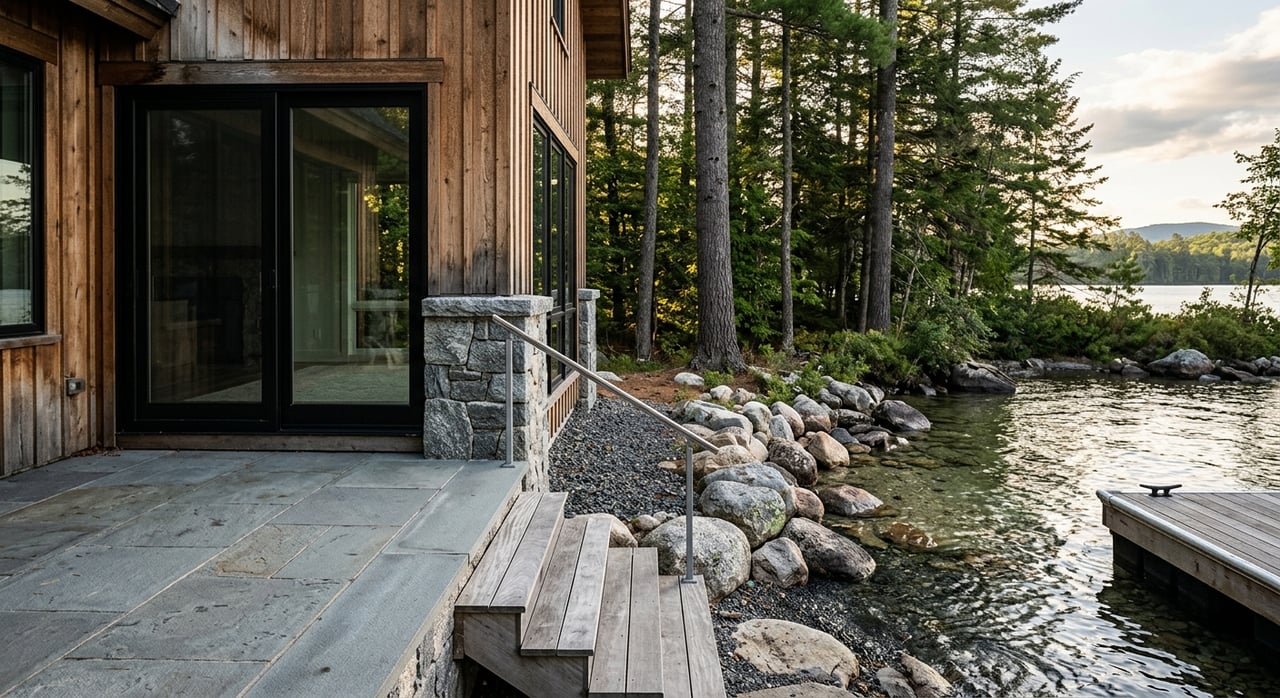
If your ideal Blue Ridge weekend includes boating, fishing, swimming, or spending time right by the water, lakefront property may be the better fit. The U.S. Forest Service notes Blue Ridge Lake supports boating, skiing, and fishing, and local recreation includes boat ramps, a marina, and public swim and picnic areas.
Lakefront ownership can feel especially appealing here because the shoreline is relatively limited. Since only a portion of the shoreline is developed, true waterfront opportunities can feel more scarce than other property types in the market. That scarcity is one reason buyers often view lakefront homes as a very specific lifestyle purchase rather than just another home search category.
Lakefront homes tend to make the most sense if your non-negotiable is easy access to the lake itself. If you picture launching a boat, spending afternoons on the water, or enjoying a shoreline setting as part of everyday life, this property type aligns naturally with that goal.
This can also matter if you are looking at a second home and want your time in Blue Ridge to center on the lake. In that case, proximity to water is not just a nice feature. It is the reason you are buying.
If you are drawn to scenic overlooks, trail access, and a mountain-town atmosphere, mountain-view homes may be a better match. Blue Ridge is well known for outdoor recreation, with access to the Appalachian Trail, Benton MacKaye Trail, Aska Trails, waterfalls, and overlooks.
For many buyers, the value of a mountain-view home is not tied to one amenity like a dock or shoreline. It is more about the day-to-day feeling of being in the mountains. You may care most about a wide view, a quiet setting, or a home base that puts you near hiking, scenic drives, and forest recreation.
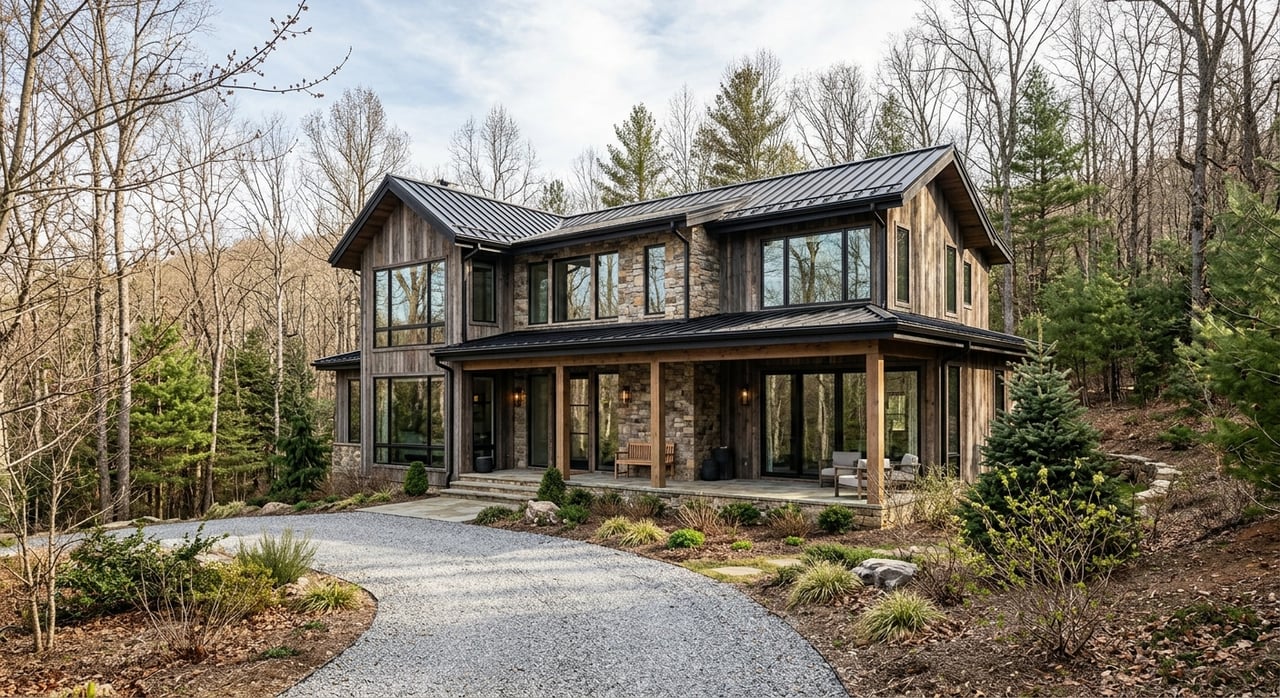
Mountain-view homes often fit buyers who want Blue Ridge to feel like a true mountain escape. If your dream is coffee on the porch, layered ridge views, and easy access to trails and overlooks, this category usually deserves a closer look.
This property type can also offer a broader range of choices. In practice, mountain-view homes can include everything from modest cabins to high-end ridge properties, which gives buyers more variety in how they balance scenery, access, and budget.
One of the biggest differences between these two property types is how access affects ownership. A home can look perfect in photos, but day-to-day usability often comes down to what happens after you arrive.
Lakefront buyers need to think about shoreline access and seasonal lake conditions. Mountain-view buyers need to think more about roads, terrain, and driveway comfort.
Lake access is not always the same year-round. The Forest Service notes that Lakewood Landing is open year-round but may close due to lake level, and the TVA fishing guide explains that winter drawdowns of 30 feet or more can affect which ramps remain usable, with some periods leaving only the marina ramp available.
That does not mean lakefront ownership is less appealing. It does mean you should ask practical questions about how seasonal water levels may affect boating access, guest expectations, and how often you plan to use the property throughout the year.
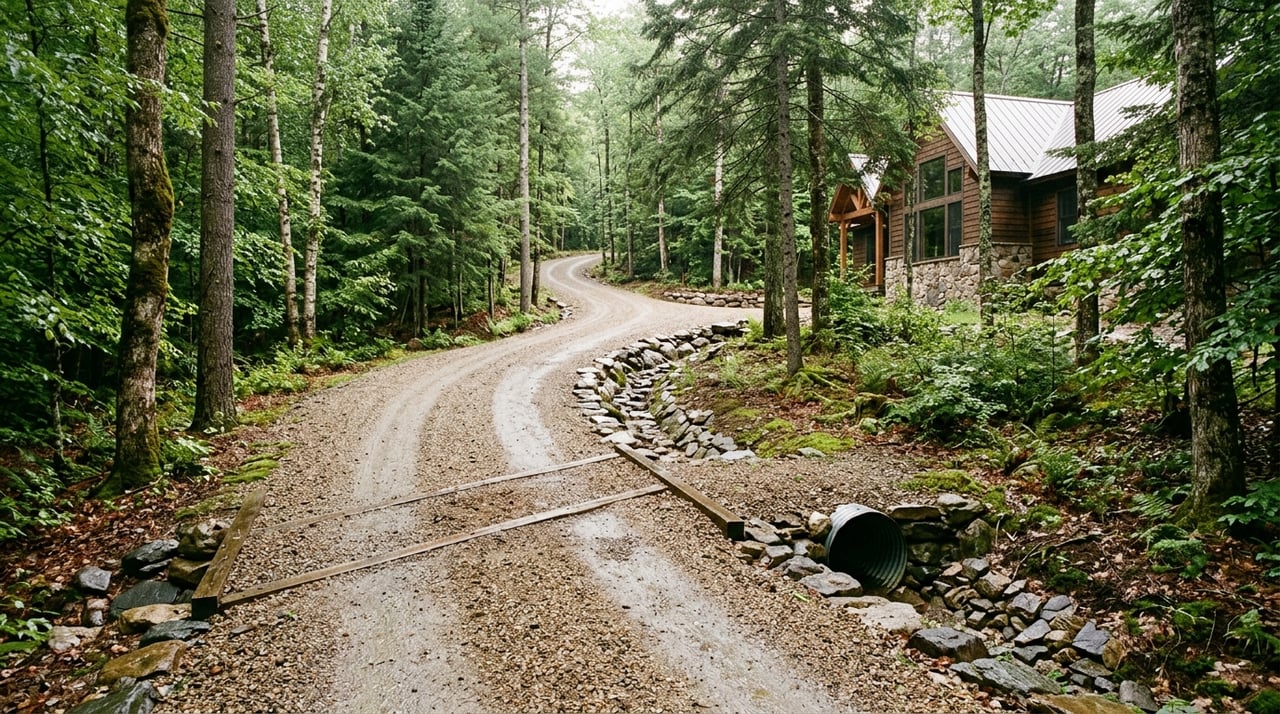
Mountain-view homes do not have lake-level concerns, but they bring a different set of questions. In Blue Ridge, terrain matters. Driveway grade, road approach, and how comfortable the route feels in different seasons can all shape whether a property works for you.
When touring, it helps to ask questions like:
Those details can make a big difference, especially if you are buying remotely or plan to use the home often for weekends and holidays.
Blue Ridge pricing varies widely, which is why broad market averages only tell part of the story. As of March 31, 2026, Zillow reports a typical home value of about $506,554, a median sale price of $492,133, and 286 homes for sale. Realtor.com reports a median listing price of $699,000, 432 homes for sale, and a median 74 days on market in March 2026.
The main takeaway is not which number is “right.” It is that Blue Ridge is a segmented market, and lakefront and mountain-view homes should not be judged against one citywide average.
Because only about 25% of Lake Blue Ridge shoreline is developed, true lakefront supply is inherently scarce. In practice, that often pushes waterfront homes toward the upper end of the local market, especially when a property offers strong water access or dock potential.
That does not mean every lake-oriented home is priced the same. It means buyers should compare true lakefront homes to similar lakefront homes, not to the entire Blue Ridge market.
Mountain-view properties usually cover a broader pricing spectrum. You may find everything from simpler cabins with pleasant views to premium ridge-top homes with expansive scenery.
That wider range can create more flexibility, but it also makes property comparisons more important. A strong view, easier access, or a better location near town or trails can all influence value in different ways.
If you are considering a home that may also serve as a short-term rental, your decision should go beyond views and amenities. You also need to understand whether the home’s location and property type support your rental goals in a practical way.
Inside the City of Blue Ridge, short-term vacation rentals require a city certificate. The city states that each establishment needs its own certificate, the application fee is $25, owners must submit a monthly report even if no rent is collected, and certificates can be revoked if the application is not kept current.
At the state level, the Georgia Department of Revenue requires innkeepers to collect a $5 per-night hotel-motel fee, and short-term rental operators may need to register for both a sales and use tax account and a state hotel-motel fee account with monthly filing requirements.
If rental income is part of your plan, think about the guest experience as much as the property itself. A lakefront home may attract guests looking for water access, but seasonal lake conditions can affect usability. A mountain-view home may appeal to guests seeking scenery and trail access, but steep roads or long drives may shape how often it gets booked.
The right choice depends on how the property will actually be used. Water-first, trail-first, view-first, and rental-first buyers often need different things from the same market.
Before you narrow your list, it helps to compare homes through the lens of your real goals. These are some of the most useful questions to discuss before or during showings:
The best choice usually comes down to how you want to use Blue Ridge. If your weekends revolve around boating, fishing, and water access, lakefront may be the clear answer. If your priority is mountain scenery, hiking, and a quieter elevated setting, a mountain-view home may be the stronger fit.
The key is to compare like-for-like properties and evaluate them against your actual plan, not a general idea of what sounds appealing. That is especially important in Blue Ridge, where access, terrain, shoreline scarcity, and recreation patterns can all influence how a home feels once you own it.
When you are ready to weigh the options, Char Stacy can help you compare properties with a clear, practical strategy that fits the way you want to live in Blue Ridge.
Stay up to date on the latest real estate trends.
From overseeing operational responsibilities to training new agents, she always has her team's best interests at heart. Work with Char Today!