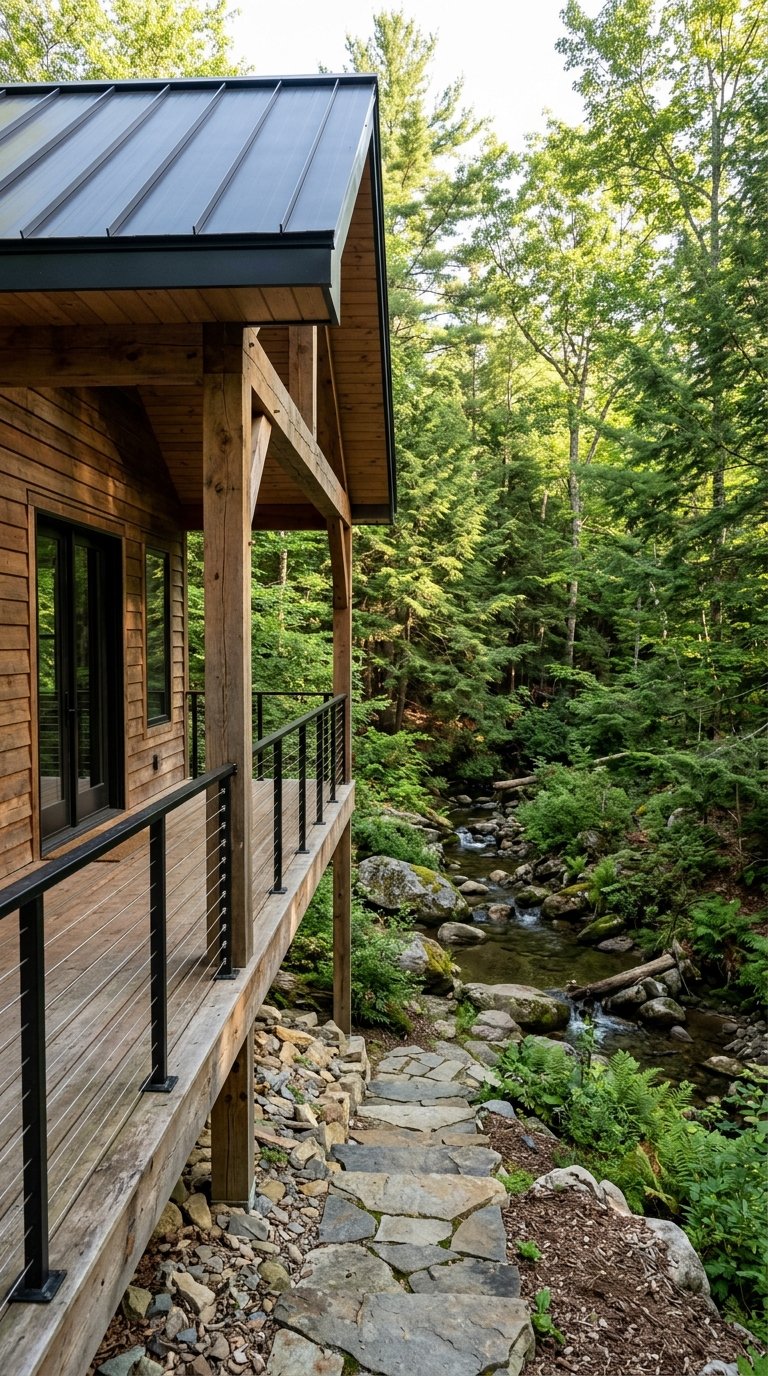
Blue Ridge Outdoor Activities for New Cabin Owners
June 18, 2026
June 18, 2026
Thinking about cabin life in Blue Ridge usually starts with the view, but what makes ownership really enjoyable is knowing where to go when you only have a free afternoon or a full weekend. If you are new to the area, it helps to have a simple plan for hikes, lake access, fishing spots, and scenic drives that are actually practical from town. This guide walks you through the outdoor zones and go-to outings many new cabin owners use again and again. Let’s dive in.
Blue Ridge works especially well as a cabin base because several of the area’s most useful recreation zones sit close to downtown. For most owners, that means less time driving and more time actually enjoying the mountains.
The three zones that matter most are the Aska Road corridor, Lake Blue Ridge, and the Toccoa River corridor. If you learn these first, you will have a strong foundation for easy weekends, last-minute day trips, and guest-friendly outings.
The Aska Road corridor is one of the easiest places to use often because it is south of Blue Ridge and close to downtown. The Forest Service places the Aska Trail System less than ten miles from downtown, which makes it a natural fit for short stays and repeat visits.
Based on official mileages, Deep Gap is about 10 to 15 minutes from downtown, Shady Falls is about 15 minutes, and Stanley Gap is about 25 to 30 minutes. That convenience is a big reason many cabin owners return here often for walks, trail runs, and relaxed half-day plans.
Lake Blue Ridge is a 3,290-acre TVA reservoir north and west of town. For cabin owners who want boating, paddling, fishing, or a simple picnic by the water, it is one of the most practical places to start.
Morganton Point and Lakewood Landing are both roughly 10 to 15 minutes from downtown based on Forest Service directions. That short drive makes the lake especially useful when you want a quick launch without turning the day into a full travel commitment.
The Toccoa River corridor is the area’s best all-around river zone for paddling and fishing. It includes public access points like Sandy Bottoms and Deep Hole, which are popular starting points for river outings.
Sandy Bottoms is about a 20 to 25 minute drive from downtown by the official route. Deep Hole is farther out and works better as a longer half-day outing, especially if you are planning a full float or a more dedicated fishing trip.
When you first buy a cabin, you usually want trails that are easy to return to and simple to fit into a weekend. Blue Ridge has a good mix of quick local routes and longer day-hike options.
The Aska Trail System is the local hiking network many new owners use the most. It offers about 17 miles of trails, with individual routes ranging from 1.0 to 5.1 miles, and it is open year-round.
Because it is so close to town, this is one of the best places to learn your bearings and build a list of favorite trails. It also works well when you have guests and want a hike that does not require a long drive.
Helton Creek Falls is a very short 0.2-mile hike that stays open all year. It sits just past Vogel State Park off the road from Blairsville, making it an easy add-on if you are already exploring beyond Blue Ridge.
If you want a low-effort waterfall stop, this is one of the simplest choices. It is especially useful when you want a scenic outing without committing to a long trail.
Vogel State Park gives you a few different ways to spend a hiking day. You can choose the 4.1-mile Bear Hair Gap loop, the easy lake loop to Trahlyta Falls, or the 13-mile Coosa Backcountry Trail.
The park notes that Bear Hair Gap has wildflowers in season and wider views after leaf drop. Vogel is also especially popular in fall, so it is a strong pick when you want a classic North Georgia mountain day.
Black Rock Mountain State Park is Georgia’s highest state park and offers several trail options. The Tennessee Rock Trail is 2.2 miles, the Black Rock Lake Loop is 0.85 miles, and the Ada-Hi Falls Trail is 0.25 miles.
The park advertises 80-mile vistas, which makes it a good choice when you want a more scenic, view-focused outing. It is better for a planned day trip than a quick stop from the cabin.
Springer Mountain is the southern terminus of the Appalachian Trail in Georgia. From Blue Ridge, the Forest Service route follows Aska Road, then Newport Road, Doublehead Gap Road, and Forest Road 42 to the trailhead.
That route makes Springer Mountain better suited for a dedicated hiking day. If you are building a longer bucket list as a cabin owner, this is one to keep on it.
For many buyers, outdoor access is a big part of the reason to own a cabin in Blue Ridge. If that is true for you, it helps to know which spots are easiest for simple lake days and which ones are better for river adventures.
Morganton Point is the only developed campground on the Lake Blue Ridge shoreline. It offers access for motorboats, jet skis, canoes, kayaks, swimming, fishing, and picnic use.
If you want a lake outing with a bit more structure and flexibility, this is often the easiest choice. It is a practical option for owners who may be bringing family or friends and want straightforward access.
Lakewood Landing is on the north side of the lake and uses a scan-and-pay day-use system. It can be a quick launch option when you want a simpler in-and-out outing.
One important detail is that it may close when lake levels drop. Before heading out, it is smart to confirm current conditions so your short lake day stays simple.
Lake Blue Ridge supports boating, skiing, and fishing. The Forest Service specifically lists bass, bream, catfish, perch, and crappie, making it a convenient warm-water fishing option close to town.
For a new owner, that variety is helpful because you do not need a complicated plan to enjoy the lake. It is one of the easiest nearby places to spend a laid-back morning or evening outdoors.
Sandy Bottoms has paved parking, a small-boat ramp, picnic tables, and access to the Toccoa River Canoe Trail. It is the year-round take-out and launch area for the trail, so it is one of the most useful river access points to learn first.
The Toccoa River Canoe Trail runs 13.8 miles end to end. The Forest Service also reminds visitors to respect private land boundaries along the river, which is an important detail for safe and responsible access.
Georgia DNR says the Toccoa River downstream of Lake Blue Ridge Dam is an excellent trout fishery with high catch rates and annual rainbow and brown trout stocking. For many owners, that makes it a strong weekend choice when the goal is simple, nearby trout fishing.
Cooper Creek and Mulky Creek are also listed as trout streams with wild and stocked trout. If you want an accessible site on the Blue Ridge tailwater, the listed fishing platform is at Tammen Park.
Georgia law requires anglers age 16 and older to carry a current fishing license. If you are fishing for trout, you also need a trout license.
Before each trip, it is wise to check current DNR rules because special regulations and stocking schedules can change. That quick step can save time and help you plan the right outing.
Not every cabin day needs to be a hike or a paddle. Some of the best Blue Ridge weekends are built around a scenic drive, a few stops, and a slow pace.
Aska Road is not just useful for trail access. It also works as a relaxed scenic drive south from Blue Ridge through farms, forests, and wilderness.
Because it connects naturally with hiking access points and Toccoa River stops, it is one of the easiest ways to fill a free morning or afternoon. For many new owners, it becomes part of the regular weekend routine.
The Russell-Brasstown National Scenic Byway is 40.64 miles long, and official guidance says to allow at least three hours. It is known for mountain views, wildflowers, and fall color.
If you want a named scenic route that feels like an event, this is one of the best all-around options in the region. It works especially well when you want a slower day with plenty of overlooks and stops.
The Blue Ridge, Dial, and Morganton route is described by local tourism sources as a 76-mile round trip that takes about two hours without stops. Stops along the way can include Skeenah Mill, the Swinging Bridge on the Toccoa River, the Chattahoochee National Fish Hatchery, Lake Winfield Scott, and Vogel State Park.
This is a strong half-day option when you want scenery without committing to a full-day mountain drive. It gives you several natural places to pause, stretch, and explore.
The Blue Ridge to Dahlonega and Apple Alley route is 102.4 miles round trip and takes about three to four hours without stops. It is especially known for fall beauty.
For leaf season, this is one of the strongest first-choice drives for cabin owners. If your Blue Ridge calendar tends to revolve around autumn weekends, this route deserves a spot near the top.
One of the easiest ways to enjoy your cabin more is to match the outing to the season. Blue Ridge gives you good options year-round, but some activities fit certain times of year better.
Spring is a smart time for hiking and scenic drives. Vogel notes seasonal wildflowers, and the Russell-Brasstown byway is also known for spring blooms.
If you prefer quieter outdoor time, spring can be a comfortable season to explore new trails before summer lake traffic and peak fall travel pick up.
Summer is when Lake Blue Ridge and the Toccoa River tend to become the center of the weekend. Short drives to launch points and swimming access make it easier to turn even a brief stay into a real outdoor break.
This is a great time to keep your plan simple. Pick one launch point, pack light, and enjoy the fact that the water is so close to town.
Fall is the strongest season for scenic drives and higher-elevation hikes. Vogel is especially popular in fall, and the Russell-Brasstown byway is widely recognized for color and views.
If you own a cabin in Blue Ridge, fall is the season when planning ahead matters most. Popular routes and parks can draw more visitors, so early starts usually make the day smoother.
Owning a cabin in Blue Ridge is about more than the property itself. It is about having a reliable list of places that make your weekends easier, more scenic, and more memorable. If you are looking for a cabin, mountain home, or land in Blue Ridge and want practical local guidance from the start, connect with Char Stacy.
Stay up to date on the latest real estate trends.
From overseeing operational responsibilities to training new agents, she always has her team's best interests at heart. Work with Char Today!