What to Check Before Buying Land in Ellijay GA
May 21, 2026
May 21, 2026
Buying land in Ellijay can feel full of possibility until one missing detail turns a great-looking parcel into a costly surprise. If you are eyeing acreage for a cabin, future home, or investment, you need more than a pretty view to make a smart decision. The good news is that a focused due diligence plan can help you spot issues early and negotiate with confidence. Let’s dive in.
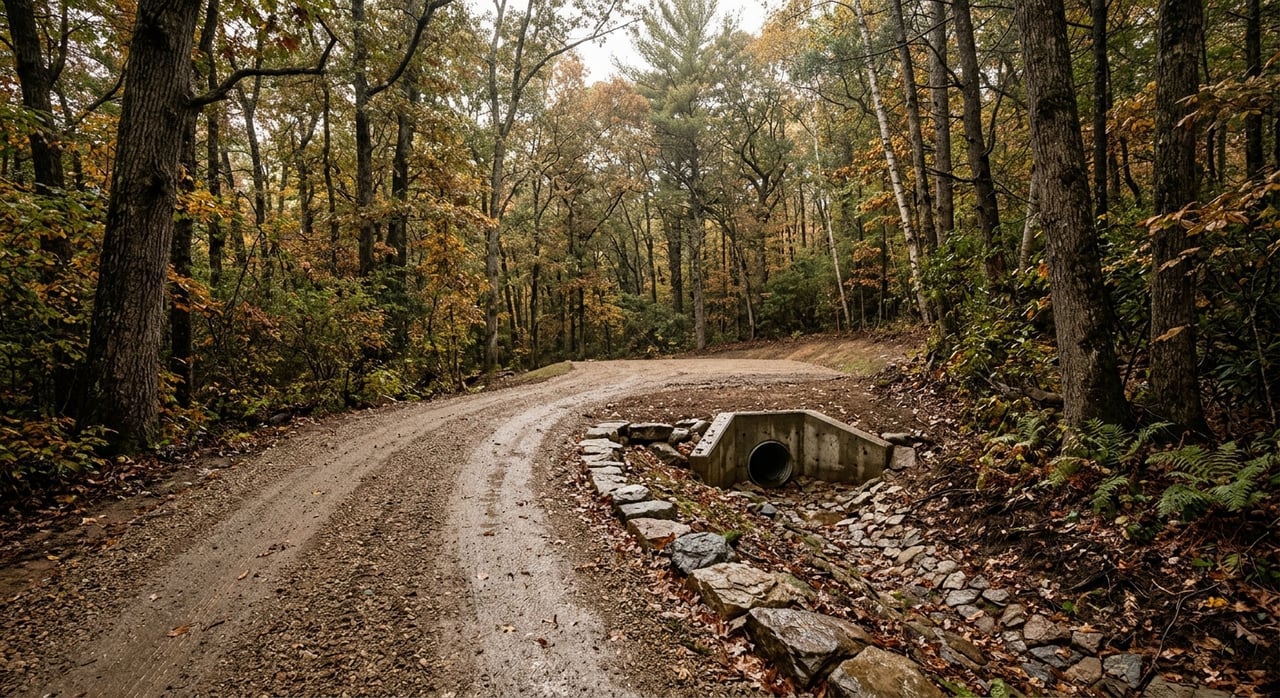
Ellijay land is different from a typical in-town lot. In Gilmer County, mountain terrain, road access, slope, drainage, utilities, and permitting can all affect whether a parcel works for your plans.
That is especially important in an area where the county maintains nearly 500 miles of roads and regulates land disturbance, floodplain construction, and mountain-protection districts. Before you make an offer, you want to know not just what the land looks like, but what it will actually allow you to do.
One of the first things to verify is whether the parcel has recorded legal access. You also need to know whether that access comes from a county road, a state road, or a private easement.
That difference matters because road responsibility and access conditions can directly affect how usable the property is. A tract may look easy to reach on a map, but access rights and maintenance responsibility should be confirmed in the recorded documents.
Gilmer County’s Clerk of Superior Court is the official custodian of deeds, plats, liens, and other land records. Before you rely on a parcel’s buildability or convenience, review the deed, plat, easements, covenants, and any recorded restrictions tied to the property.
If the driveway connects to a state road, the Georgia Department of Transportation may require a driveway or special encroachment permit. Driveway location and design are treated as safety and capacity issues, so this is worth checking before you commit.
If you are buying remotely, this is one of those details that can be easy to miss. It is much better to confirm access requirements during due diligence than after closing.
A common mistake with land is assuming utility service is available just because nearby homes exist. In Ellijay, you should treat water, sewer, septic, and well service as separate questions and verify each one directly.
The Ellijay-Gilmer County Water & Sewerage Authority says buyers should confirm service availability before submitting a new meter application. New service may also require documents such as a deed, plat, building permit, and identification.
Even though the local authority operates the Cartecay Water Treatment Plant and wastewater facility, parcel-level service still has to be confirmed. Nearby utility lines do not automatically mean your tract can connect on the timeline or terms you expect.
If public water or sewer is important to your plans, confirm availability early. That answer can affect value, construction timing, and even whether you want to move forward at all.
If the property will need septic, Gilmer County’s health department process includes several specific requirements. The septic packet requires a 911 address before application, a Level III soil report from a Georgia-certified soil classifier, a recorded plat or survey, and the house site staked before inspection.
It also states that septic permits expire after one year. That means an older permit in the file may not help you unless it is still current and applicable.
The same packet warns that grading, cutting, filling, or other site changes before septic approval can make a lot unsuitable. On steep land, that is a major issue because a well-meaning cleanup or grading effort could create new problems.
Slope matters for septic planning in Ellijay. The health department packet says slopes over 50% in the septic area require a registered engineer to prepare the site plan.
It also notes that if soil reports show all slopes greater than 35%, a site plan is required. That plan must include contour data, driveway location, setbacks, and other site details.
If the property will rely on a well, keep in mind that well-water safety is the owner’s responsibility. The local water authority notes that public and municipal supplies are routinely tested, while private well testing falls to the owner.
Gilmer County Extension offers water testing for local well users. If a parcel has an existing well or will need one, that is another item to evaluate carefully during due diligence.
Mountain land can be beautiful, but topography can add real cost and complexity. Before making an offer, look closely at slope, drainage patterns, and whether any part of the property falls in a flood hazard area.
Use FEMA flood mapping to check flood hazard information, then confirm whether Gilmer County floodplain permit rules apply. The county states that all construction must follow its flood code and that a permit is required before building in a floodplain.
If you are considering creekfront, riverfront, or wet-area acreage, ask more questions, not fewer. Gilmer County requires a land-disturbing permit before any land-disturbing activity begins.
The county also states that work within the state-mandated 50-foot stream buffer requires an EPD vegetative-buffer-encroachment application. For buyers drawn to water features, this is one of the biggest reasons to verify plans before you buy.
Gilmer County designates mountain-protection districts for land at 2,200 feet or more above sea level with at least 25% slope for 500 horizontal feet. In those districts, land-disturbing permits must include a site plan.
That does not automatically make a parcel unworkable. It does mean you need a clear understanding of what the county will require before you move ahead.
A parcel is only a good fit if it supports your intended use. Before your offer goes hard, verify the zoning and ask whether your plans may require a rezoning, variance, conditional use approval, or other county review.
Gilmer County Planning and Zoning handles zoning matters, variances, subdivision plats, and building and driveway permits. The county also says building permits must be obtained before construction or excavation begins.
Do not stop at asking whether you can build one structure today. If you may want to subdivide acreage later, create a driveway, add a second structure, or pursue another specific use, ask about those items now.
Planning and Zoning also reviews subdivision plats, so that can matter if long-term flexibility is part of your investment strategy. A parcel that works for one plan may not work for another.
For buyers considering a cabin or future rental use, short-term rental compliance is now a pre-offer issue in Gilmer County. The county states that its short-term rental ordinance took effect on July 1, 2025 and is fully enforced beginning January 1, 2026.
If rental income is part of your decision, confirm how the property fits current county requirements before moving forward. That can help you avoid buying based on assumptions that do not hold up later.
In Georgia, buyers commonly negotiate a due diligence or free-look period to review items such as survey, title, flood zone, zoning, use, and overall feasibility. Georgia Title notes that buyers often negotiate a 10 to 14 day due diligence period.
That window matters even more with mountain land. A short, well-planned due diligence period can help you verify the big-ticket items before your risk increases.
During due diligence, prioritize the questions that most affect usability and cost:
Land purchases often need more than a general property showing and a standard contract review. In Ellijay, the right local professionals can help you confirm whether a tract supports your goals.
A surveyor can help confirm boundaries, frontage, easements, and setbacks. This is especially important when lines are unclear or the property is near water.
A Georgia-certified soil classifier is needed for the Level III soil report if the property will require septic. Depending on slope and site conditions, you may also need a septic installer and a registered engineer.
A real estate attorney or title professional can help review the recorded file and title work during the due diligence period. That is often the best time to catch restrictions or title issues that could affect how you use the property.
County planning staff can also be a valuable resource when a parcel may need rezoning, a variance, a driveway permit, a land-disturbing permit, or subdivision review. A few early calls can give you much more clarity before you commit.
In Ellijay, land buying is rarely just about acreage and views. Access, utilities, topography, floodplain concerns, septic feasibility, and county rules all shape what the property can become and what it may cost you to get there.
When you ask the right questions before making an offer, you give yourself room to negotiate wisely and avoid surprises. That is how you buy land with more confidence, whether you are planning a mountain home, a weekend cabin site, or a long-term investment.
If you are considering land in Ellijay or anywhere in the North Georgia mountains, Char Stacy can help you approach the process with local insight, strong advocacy, and the kind of detail-focused guidance that matters in complex land deals.
Stay up to date on the latest real estate trends.

From overseeing operational responsibilities to training new agents, she always has her team's best interests at heart. Work with Char Today!